


Hi there,
As startups scale up, customer care often becomes an afterthought.
It goes from being founder-managed to handled by a junior team member, and it usually takes too long for an experienced person to take over.
Fair enough, when you're starting out, you might not have the budget or the need for a full-time customer care team member. We experienced this at Whole Supp. At first, the founder managed everything, but with only 100-150 tickets per month, hiring someone full-time didn’t make sense.
In the end, we brought in Emily from TicketBuddiez, paying per ticket for the team to manage and ensure a quick response rate. It struck a perfect balance between cost (their support starts from £350 per month) and quality.
I absolutely loved working with Emily and her team, and I saw the direct impact it had on customer satisfaction and retention.
So, I asked her about the biggest mistakes she sees at this early stage and how to solve them.
1. Lack of multichannel support
Have you ever visited a website and found that the only way to contact them was by phone—or worse, you had to email?
Customers have their preferred ways of communicating (for me and many others, it’s avoiding calls at all costs), so it's important to be mindful of their preferences and offer multiple options—like email, live chat, social media, or phone.
2. Ignoring self-service
Nothing is more frustrating than having to ask an obvious question. I experienced this the other day: I saw a gorgeous dress on Instagram, clicked through, and couldn’t find the material listed anywhere. I searched high and low, only to give up in frustration.
I checked the ad again: someone had asked the same question, but the brand hadn’t replied, so I moved on.
Use these common questions to improve your product pages, and make sure you have an easily accessible, well-organised self-service hub where customers can quickly filter and find answers to their key questions.
3. Neglecting the extra follow-up after resolutions
This almost never happens when a founder manages customer care—they simply don’t have the time. But even after that, it’s easy to forget.
I’m not talking about the automated “Were you satisfied?” survey. I mean a personal, non-automated message like: “I hope this helps! If there’s anything else I can do for you, don’t hesitate to reach out—I’d be glad to help.”
This ensures customers don’t feel like their concerns were brushed aside and makes it easy for them to raise any other issues that might have arisen.
4. Failing to resolve on first contact
I can always tell when brands are too focused on First Response Resolution, because their reply is often just a quick "yes/no" with no room for a response or an invitation for further questions. That’s not what we’re talking about here.
What we're referring to is doing everything you can to solve the issue on the first response. Let’s say their order hasn’t arrived—you can likely figure out the order from their email or name.
So, instead of the all-too-common response of “We’ll look into it and get back to you in two working days,” it’s far better to check the order, share where it is, and explain what options are available right away.
Non-obvious additional metrics to watch
Most brands are measuring satisfaction, response time, and interactions per ticket, but there are two extra metrics that can help you avoid the issues mentioned above:
First Contact Resolution (FCR): The percentage of tickets resolved on the first contact.
Customer Effort Score (CES): How easy it is for customers to resolve their problem.
By asking for this feedback, you can automate it, but again, keep it personal and easy to respond to.
Recommendation
In every edition of Growth Waves, I also share a related resource to check out related to the week's topic.
Every week, I recommend a related resource, and this week it’s TicketBuddiez. They didn’t sponsor this newsletter; I just think they’re great.
I really enjoyed my monthly meetings with Emily and Ruby to review the main issues and opportunities. They were proactive, on top of every concern, and suggested improvements for both the website and product based on customer feedback.
I couldn’t believe how quickly they responded to tickets, especially since they were external and managing support for multiple brands.
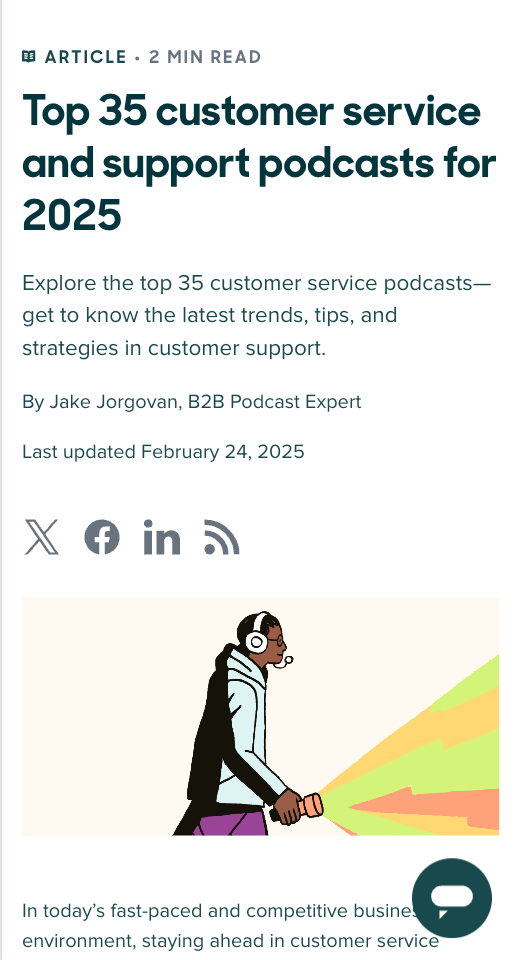
If you’re interested in learning more about customer care and support, Zendesk has a fantastic list of Customer Service podcasts:
Too often when we talk about growth, we get caught up in the acquisition side. Measuring the impact of things like customer care is harder, but it really matters.
The other day, I was trying to find shoes for my wedding and struggling with the sizing. I contacted customer care, unsure which size to order, and didn’t want to pay the return shipping fee if I ordered the wrong one—or both.
It was a Sunday evening, yet within 10 minutes, I received a super personal reply offering to include a pre-paid return label.
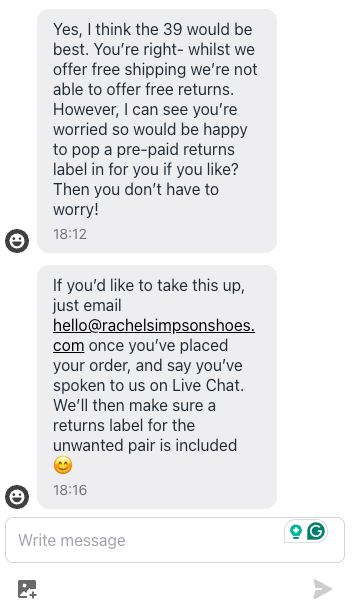
I ordered just minutes later—that’s the power of strong customer care.
Now, let’s just hope that one of the two pairs fits!
Until next week,
Daphne