


Hi there,
I recently bought something very random, even more than usual. I bought a pair of personalised joggers. It was a silly gift for my partner to wear lounging around while recovering from surgery.
I messed around, adding a few photos of our dog, Loki and there we had it: a pair of silly, but hopefully comfortable, joggers.
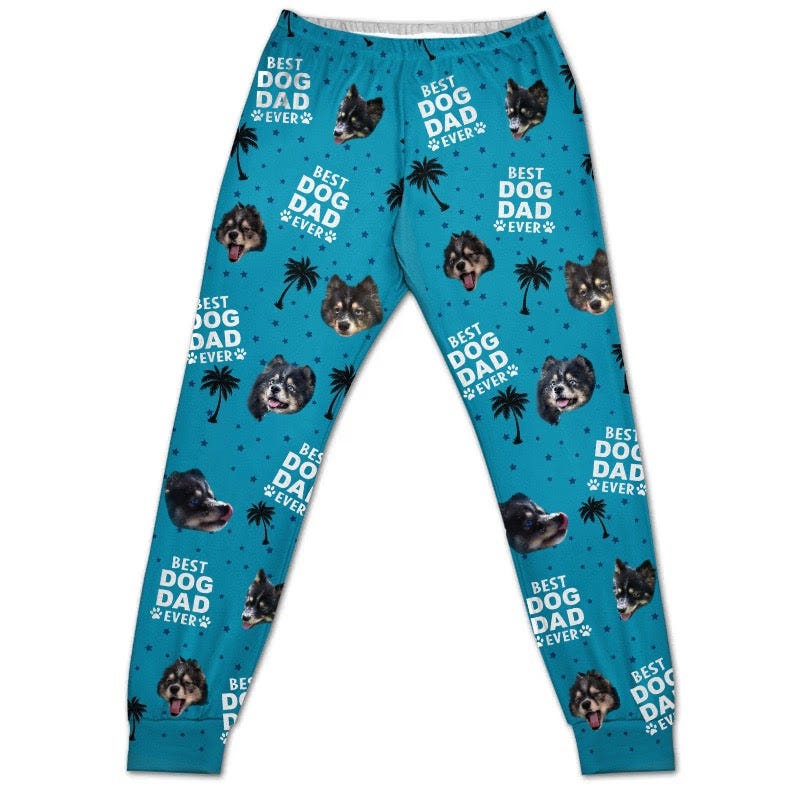
The company had managed my expectations by stating that the expected delivery time was 2-3 weeks. Fair enough for a customised product. At this point, his surgery was three weeks away, so I felt confident it would work out. I also reasoned that it wouldn’t be the end of the world if it arrived a day or two after his surgery.
That blissful optimism didn’t last, as things quickly started going downhill. Two weeks after ordering, my order seemed ‘stuck’ somewhere in the magical system of missing UK parcels. The tracker wasn’t updating, and the date I wanted it by was creeping closer.
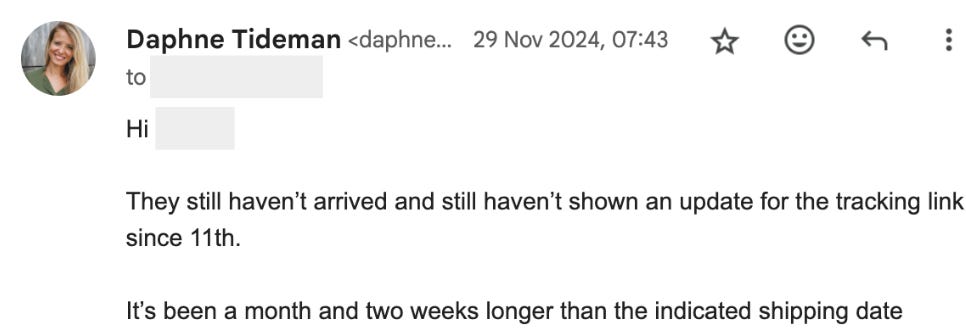
So I emailed them again… and received no reply. I checked in again, and they promised they’d look into it. Meanwhile, I had bigger things on my mind, and despite multiple emails, I didn’t hear back from them in the weeks after. They’d look into it and respond in 2-3 days. But weeks passed again.
Eventually, I emailed again and again, and 6 -7 weeks after the order, they found the issue. It was indeed lost, and would I like a new pair?
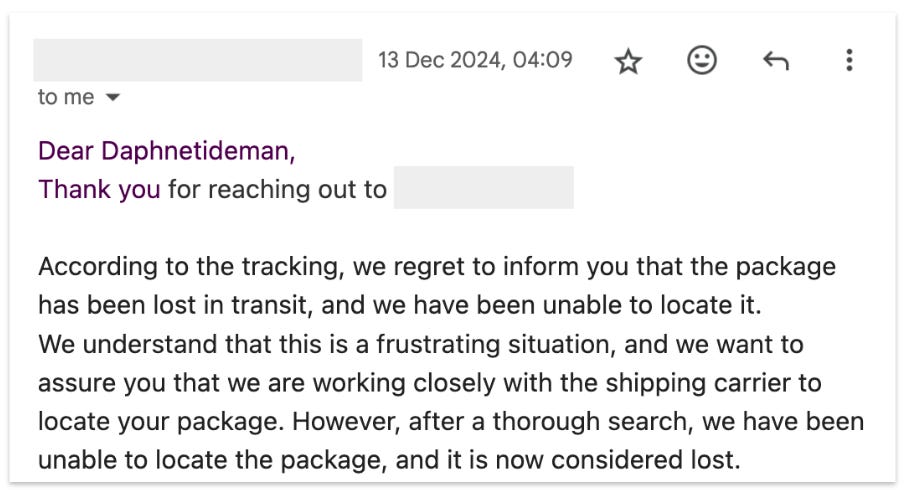
By this point, I had spiralled and decided the brand was a scam. I left a negative review and asked for a refund instead. I’d already bought him another pair of joggers (sadly without photos of Loki) and lost all trust in the company.
I’ve moved on, but that review is still there, and if this keeps happening, I can guarantee you it’ll have an impact on their growth.
Companies focus on the wrong flywheel
When most companies think of growth, they get caught up on the acquisition side. They focus on spending on ads and trying to drive more demand generation.
At the same time, they excuse product and delivery issues, blame others for the faults (like the UK postal system), or complain that product changes take time. Yet, the effects are there, and the rise in competition makes it even more important.
Valentin Radu, founder of OmniConvert calls this the advanced eCommerce flywheel.
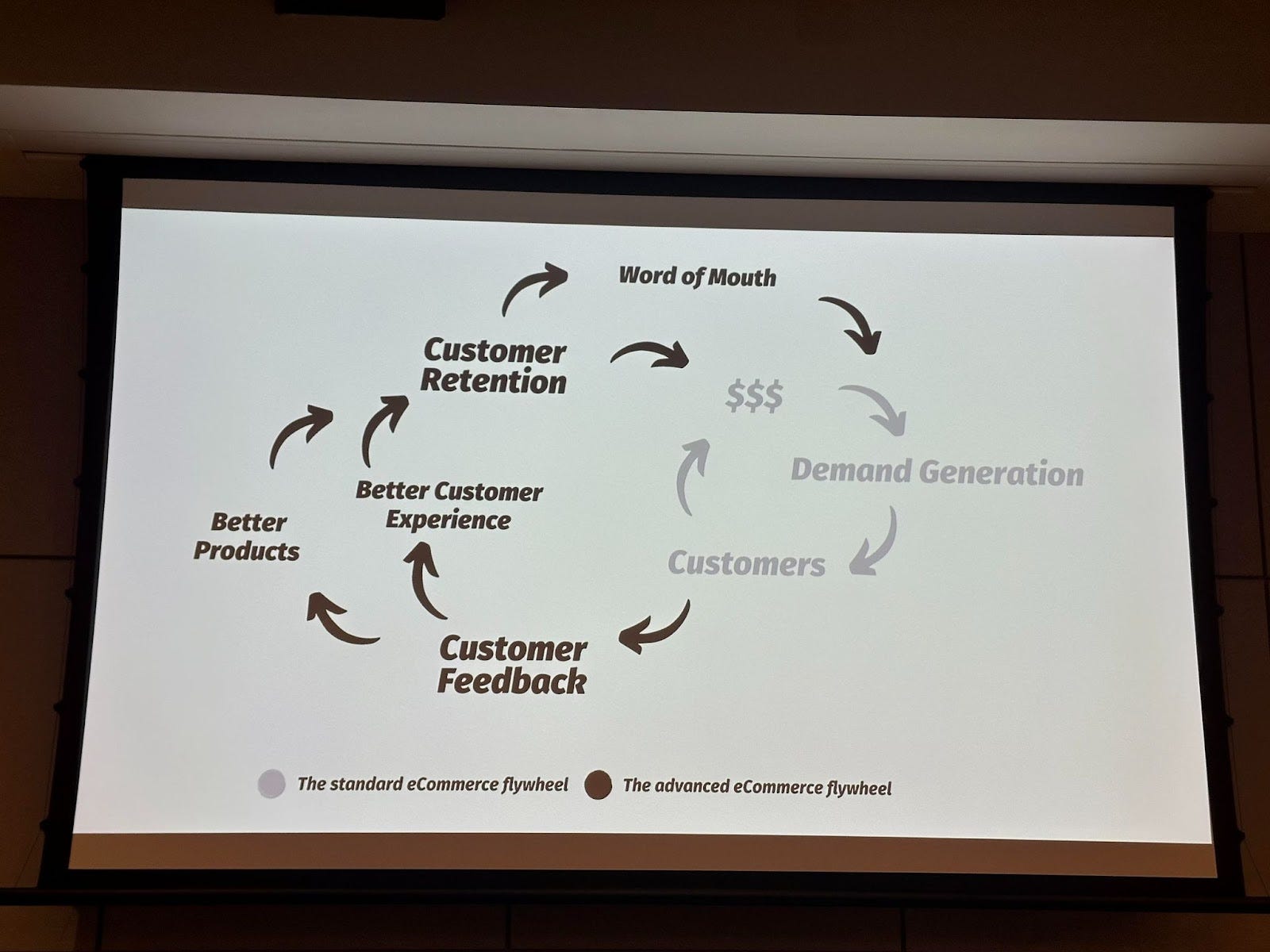
The best D2C startups are not caught up on demand generation but on optimising the left side of that flywheel.
They do this by constantly gathering customer feedback to build a better product and customer experience, resulting in retention and word of mouth, which in turn, results in demand generation.
They aren’t the ones stressing about their paid acquisition cost because growth feels like it comes more easily, and they naturally grow through retained and referred customers.
So, how do you use this in practice?
4 ways to focus on the advanced eCommerce flywheel more
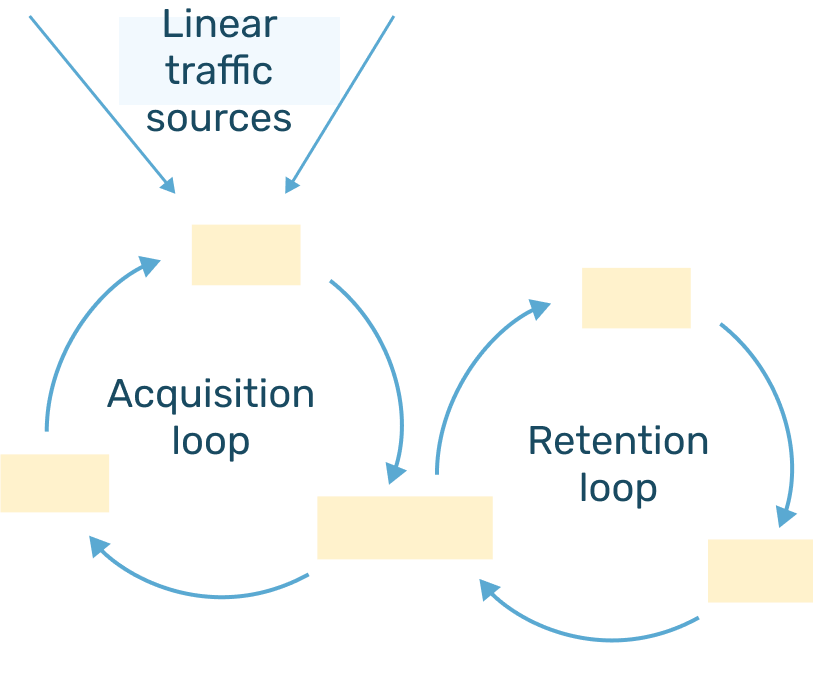
1. Your growth model includes retention as a key part
Make sure you have retention as part of the growth model your team is looking at to determine and guide your growth strategy:
2. Ensure your growth team includes team members focused on retention
Who this is will vary per organisation and whether you need to focus more on product or customer experience to improve your advanced eCommerce loop. Common team members are:
Product Manager
Operations Manager
CRM Manager
Customer Care
3. Your growth meeting includes reviewing metrics that signal product or operational issues
You want to ensure you are always keeping an eye on metrics that could signal a fundamental product or operational issue.
For example, product issues could be signaled through changes in the following metrics:
NPS before/after receiving the product
% of customers leaving reviews
Refund rate
1st to 2nd order rate
Customers through Word of Mouth
Whilst operation issues could be realised through the following:
Review rating
Customer care satisfaction rating
Order fulfillment time
On-time delivery rate
Order Issue Rate (OIR)
4. You regularly focus on growth levers that are related to improving product or operations
What I mean with this is your goals each quarter aren’t endlessly driving new customers, improving conversion rate, etc.
You’re regularly focusing on fundamentally improving your offering to drive a better experience and implement your customers’ feedback.
Example growth levers are:
Improving 1st to 2nd order rate
Launching two new product variants
Reducing subscription churn
Reducing order issue rates
Recommendation
I’ve recommended Valentin’s book before, but I can’t mention his framework without mentioning this great book again. Also, it is just pure gold: super actionable, practical, and insightful. He’s also just the nicest, most genuine guy, and you can feel that when you read his book, there is zero ego in it.

The company I mentioned has created a vast range of personalised pet products. I know enough fellow dog and cat lovers who have ordered there multiple times and recommended it to others. But I never will.
If you had lived up to that advanced eCommerce flywheel, each customer you lost could have been several, so don’t underestimate its power.
Daphne