


More and more DTC brands are focused on sustainability, and it’s great to see especially when it's a core part of their brand and approach rather than just a marketing strategy.
However, for many brands, sustainability seems to be an added bonus - customers aren't explicitly seeking a sustainable product, but the fact that the brand is sustainable is a comfort.
Can sustainability drive growth? Is it enough of a differentiation strategy?
I’ve always wondered about it because as much as we love to be sustainable, the product also needs to serve its purpose.
Yet, enter Omnes - an exception to this rule - a sustainable fashion brand aiming to reduce the negative impact on the environment and people of their clothes at every stage in the production chain. So a brand that fully focuses on sustainability at its core in an industry that, let’s be honest, really isn’t known for its sustainability:
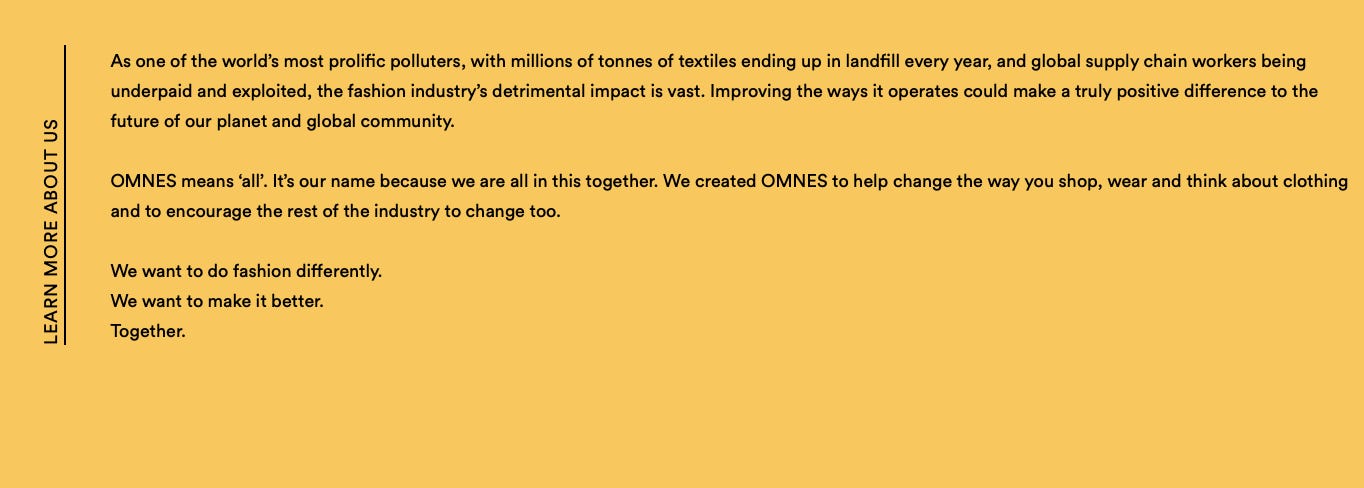
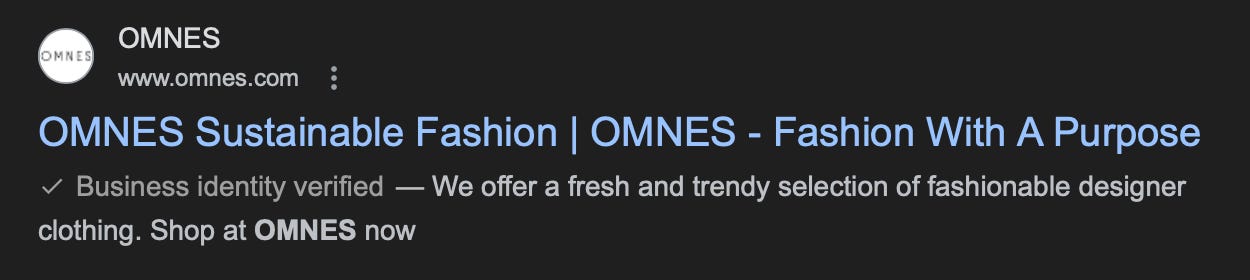
It’s ingrained into their website and even their marketing with their SEO focused fully on sustainability.
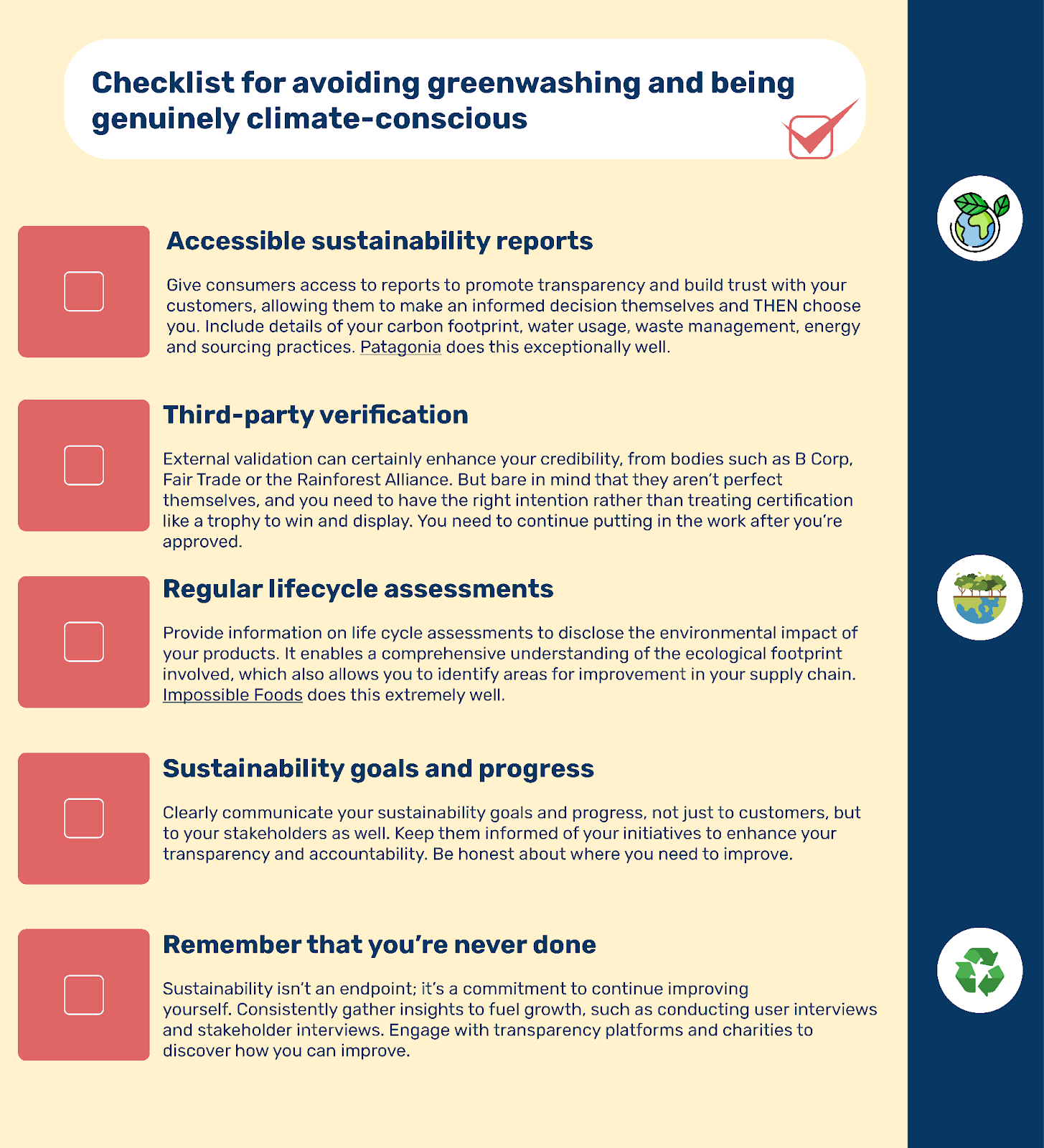
My Junior Growth Strategist, Lola Hylander, decided to investigate their approach in-depth as I’m a big fan of what they do - based on Growth Waves 5-point checklist on how to avoid greenwashing.
You can check out her full Medium article here.
So how do they do it? How has sustainability driven Omnes to £6 million yearly revenue?
They’ve walked the sustainability walk, judging by our 5-point checklist:
Accessible sustainability reports
Third-party verification
Regular life cycle assessments
Sustainability goals and progress
Remember that you’re never done
1. Accessible sustainability reports
Asides from the HUGE variety of information available on their website, Omnes also have accessible sustainability reports that dive deeper into what they are doing that are easy to find on their sustainability page (which as of this article is part of the main menu).
It also measures its own goals up against those of the UN sustainable development goals which is an excellent touch that builds credibility. Why? It’s all very well a brand having their own sustainability goals - having goals doesn’t make them sustainable.
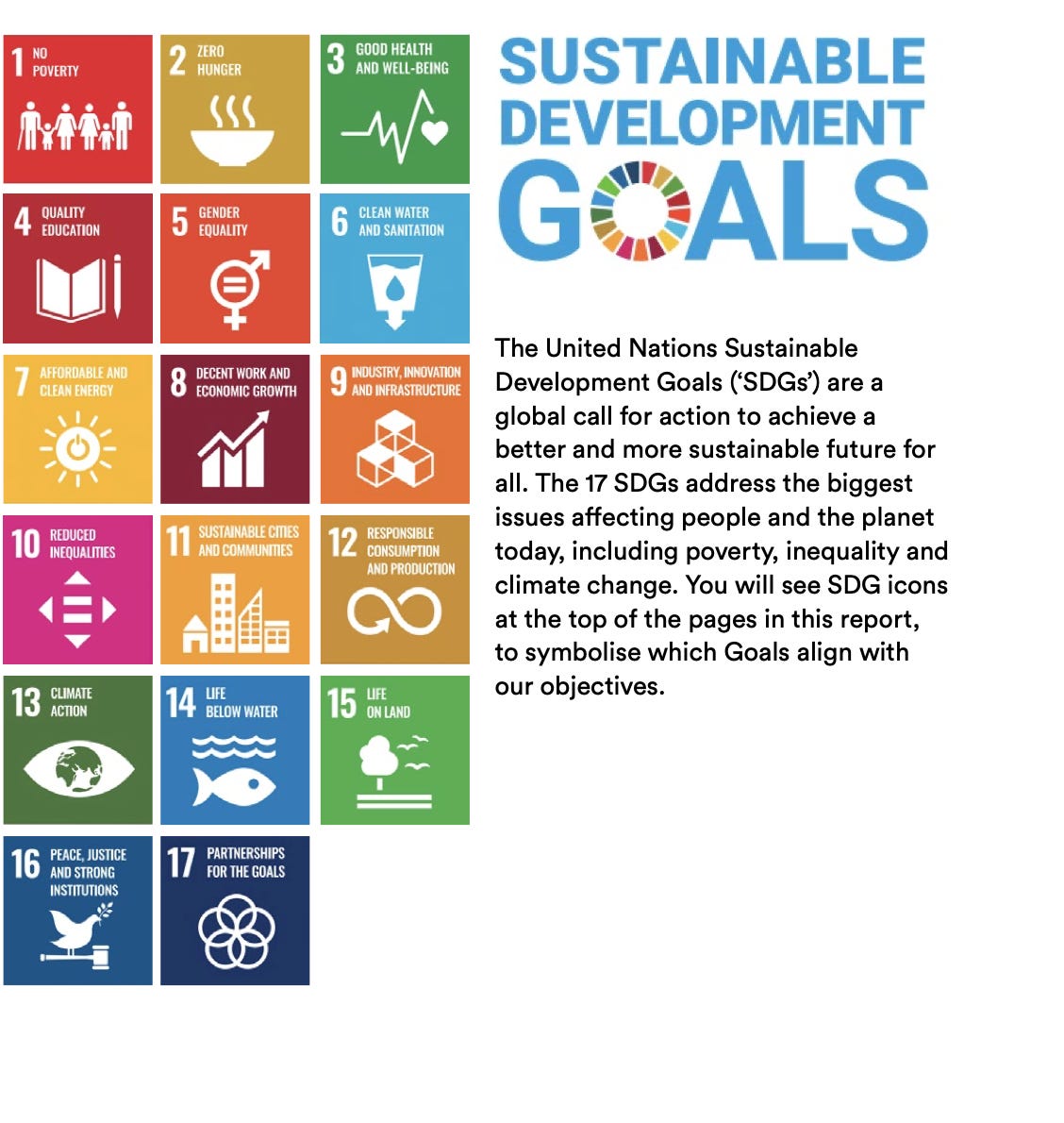
Many brands don’t go far enough, Comparing their goals to goals set by multilateral organisations like the UN reinforces the fact that the brand is focusing their efforts in the right place.
In the 2022 report, Omnes has 4 goals that align with UN goals, focused around:
Gender equality
Responsible consumption and production
Life on land
Partnerships for the goals
The report contains useful updates on what they have done, and are doing to reach their goals. A few examples of what they do that is included in the 24-page report:
Circularity - taking steps to tackle waste and plan for recycling by incorporating deadstock fabrics, having a recycling programme and collaborating with charity partners to keep clothes in circulation for longer
Packaging - is recycled and recyclable, printed with vegetable-based ink, i included seeded paper swing tickets on garments
Head office / distribution - everything is recycled, no single use plastics etc
Partnership policy - view their suppliers as partners who have all signed a code of conduct committing to environmental and social values
Smart Works - donate clothing to this UK charity that exists to give women the confidence to secure employment and succeed in the workforce
This builds trust and credibility far more than a “100% sustainable” or eco-friendly sticker could.
2. Third-party verification
Whilst external verification can become a bit of a tick box exercise, and a way to cover up greenwashing it does still provide credibility and a promise to continue to meet the criteria of that third party as well as create trust for consumers.
Omnes are B-Corp certified and this is on their website. One thing they could do better is make the B Corp stamp more visible or higher up on the page. It is currently hidden away in the footer, even covered by the CTA in some cases! So thumbs up from a sustainable point of view, less so from a conversion rate optimisation perspective.
To learn 3 more ways that Omnes are being truly sustainable (as well as our criticisms…) click below.
Recommendation
Today’s recommendation is a book from the former Patagonia owner, Yvon Chouinard, who famously grew the brand as a sustainable and planet-friendly fashion brand.

The Future of the Responsible Company advises D2C brands on how to prevent ecological bankruptcy through reducing environmental footprint, investing in good quality, long-lasting products and familiarise yourself with your entire business and supply chain to identify areas for improvement, as well as navigating the inevitable challenges posed by capitalism towards an truly climate-positive world.
It’s a must read!
-
As sustainability becomes an ever-important aspect of our every day lives, it’s important that D2C brands learn to adapt their business models to fit in line with sustainable principles.
And we have a responsibility to educate our customers too.
Remember, transparency is key.
Chat soon,
Daphne