


“You can know everything there is about growth, but if you don’t build relationships with key people, you can’t influence change” - Joseph Fitzgibbon, Growth & Company.
This quote always resonated with me.
Because at the end of the day, while you might be on the growth team, or even a Head of Growth, growth is driven by the company as a whole, not just your team.
It’s a value that all teams should share in common.
But getting to that stage can be tricky, particularly when you start in a new growth role.
Being proactive and communicating with the rest of the company is vital in your new role to not only supporting your own success, setting up the company for shared growth.
Here are some quick tips to help you build relationships with key people in your organisation.
1. Meet with key stakeholders
Aim to do this within your first two weeks in your new role.
Schedule 15-20 minute individual meetings (the key is to meet horizontally so you get a perception from each individual vs leadership’s view).
During these meetings, here are some key questions you should ask. Make sure you ask the same questions to all to avoid biases:
What is your role and responsibility?
What is the biggest challenge right now for growth? Why do you believe that?
What have been the biggest wins?
What are the biggest opportunities? Why do you believe that?
Where do you believe I can focus?
For larger businesses (15+ employees), I recommend making notes after each call of your observations on the following:
Who has influence? Who are the key players?
What matters to them? What do they care about? Why?
How does the person like to work?
2. Have a session on leadership contracting and what success looks like with your manager
In this session, discuss how you like to be managed: receive feedback, communication style, discussing ideas.
For example, do you appreciate direct feedback face-to-face, do you prefer having time to digest ideas before meeting?
Discuss how your manager likes to be collaborated with: receive feedback, communication style, discussing ideas too.
Key questions to ask:
In three months (or duration of probation) if I was to be successful what would the reason be?
In three months (or duration of probation) if I was to be unsuccessful what would the reason be?
3. Create key artefacts and resources
One thing I recommend doing is creating a stakeholder map to understand who is worth getting buy-in from, who to keep informed and who to de-prioritise.
This is more relevant for larger businesses, but in a smaller team it is still worth drawing out a quick org chart instead.
This article by Bryan Kitch provides a detailed guide on how to create a stakeholder map, including templates and examples.
I’d also create a responsibilities matrix to confirm your areas of impact and goals with your manager. This is key to ensuring that while everyone is aligned on goals, not everyone is necessarily involved in executing them.
Learn how to set up a responsibilities matrix below.
Recommendation
In every edition of Growth Waves, I also share a related book, individual or newsletter to check out related to the week’s topic.
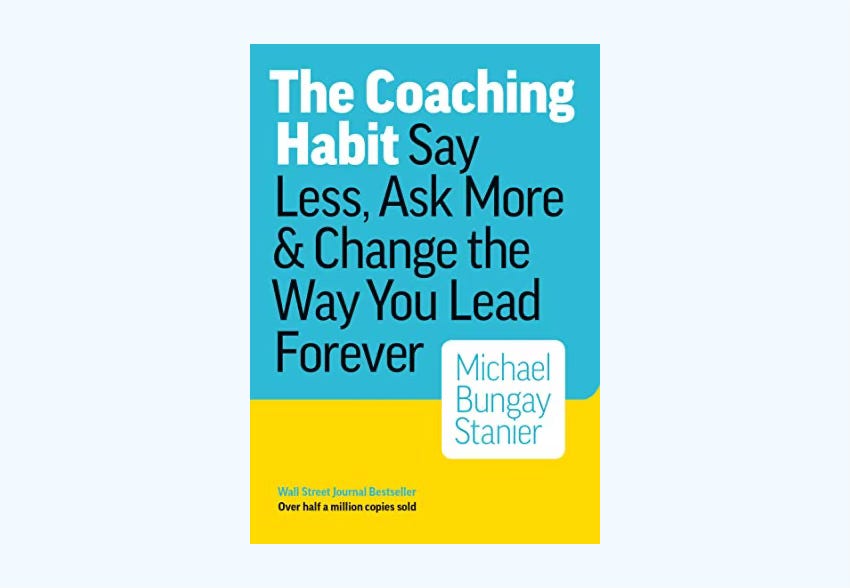
If you want to learn more about how to make coaching a regular, informal part of your day, I recommend checking out Michael Bungay Stanier’s The Coaching Habit.
He breaks down seven key coaching questions that will help you get straight to the point in any conversation, save time and get to the heart of interpersonal exchanges.
It’s a useful, easy-to-read guide on how to build these relationships and is particularly useful for those in a new role.
-
Get access to the Growth Onboarding Checklist
At the end of the day, solid relationships within your company is key to tackling shared goals, ensuring a clear line of communication exists, and mutual success. And you can work on this from day 1 of your job.
If you want to learn more about onboarding into a growth team, whether it is you starting a new role or you are hiring someone new, Rosie Hoggmascall and I have an online Growth Onboarding Checklist, a week-by-week guide of how to familiarise yourself with a new company, product, develop a strategy and build trust.
The course is packed full of actionable tips and suggested reading to help you get. the most out of your new role.
Chat soon,
Daphne.