

Hi there,
As 2024 ends and 2025 is around the corner, I couldn’t help but wonder what has changed when it comes to launching a startup, especially after reading Mike Stevens's The Direct to Consumer Playbook.
In Chapter 9, he discusses launching a DTC brand in the 2020s and what has changed since he launched a webshop for his brand, Peppersmith, in 2009.
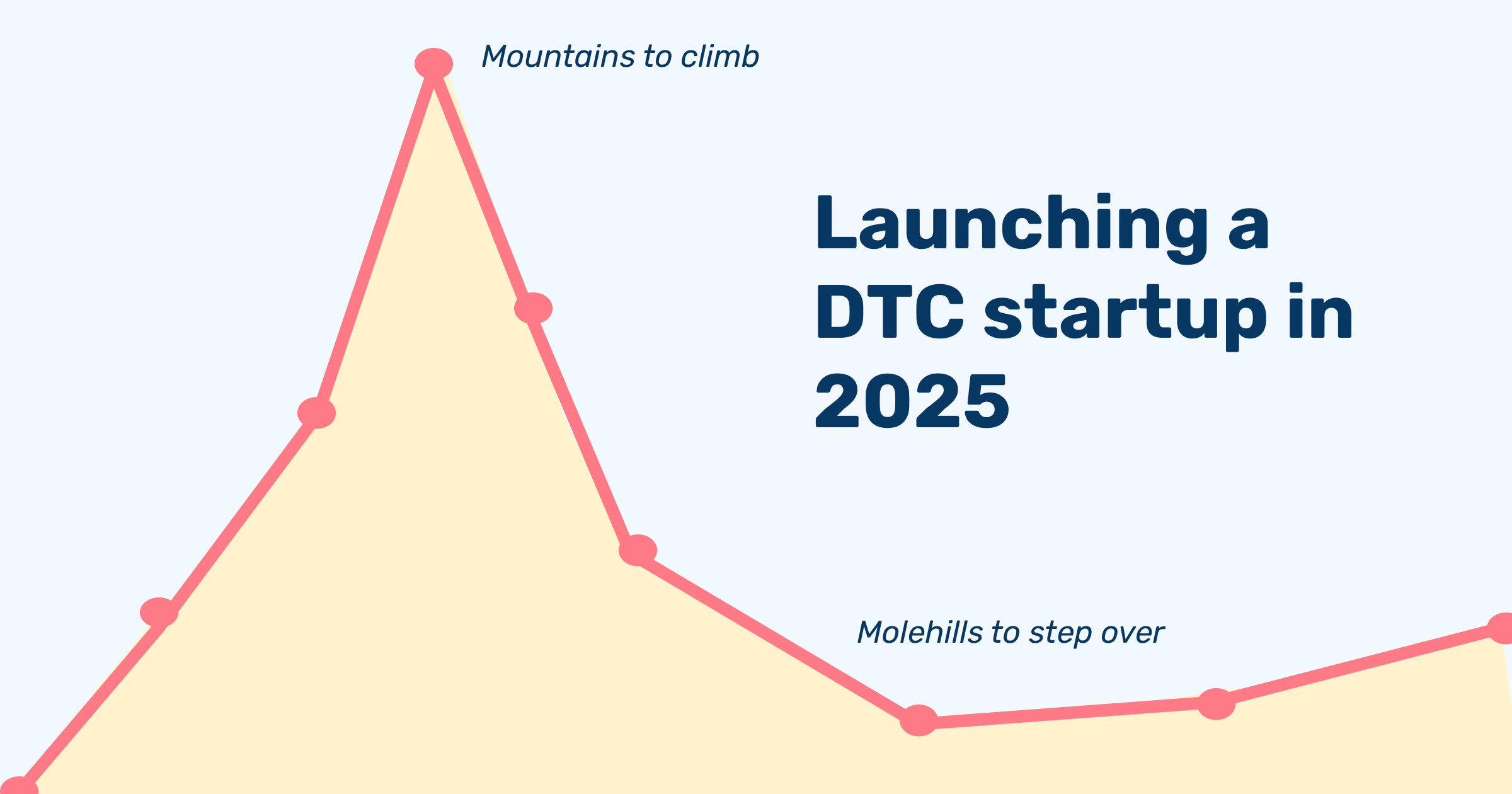
In some ways, it feels like it has become more accessible. What were previously mountains are now molehills, but other areas are definitely becoming mountains to climb (like using paid ads successfully).
I reached out to Mike to dive deeper and get his thoughts on launching in the 2020s, specifically this coming year.
—
The molehills of launching a startup
So what has become easier than before, according to Mike Stevens?
“The tools are cheaper than ever, the playbooks are more widely distributed, and there is an abundance of suppliers wishing to build your website, do your distribution, and look after your ads.
It’s a doddle to access any number of startup communities that will generously share support and advice.” - Mike Stevens
I can’t help but agree there are more suppliers and cheaper ways to build your DTC startup.
I built a Shopify webshop for my mother’s art gallery with a free template, meaning it costs her less than £30 a month to have a web store (and me a few hours per month happily call with her about her Shopify questions 😅).
Don’t let agencies sell you on £40K website projects and £5K email templates; it’s unnecessary initially, especially as you are still learning so much about your target audience.
There are so many affordable tools to help you along your way, as Laura Robinson highlighted in the following helpful LinkedIn post.
I’m not saying build a crappy foundation (I’ve seen a lot of spaghetti code websites, too, that end up being rebuilt a year later), but choose reliable, affordable setups to start out with.
Another thing I would add to Mike’s points is that consumers are becoming more and more comfortable buying online, and each year brings new growth in e-commerce sales.
However, the ease of entering and the attractiveness of more customers online brings with it new mountains 🏔️🏔️.
The mountains of launching a DTC startup
As always, there’s a catch:
“Lower barriers of entry mean more competition. Where there are monopolies or dominant players like Google and Meta, more competition also forces up the cost of digital real estate.
It also means higher expectations from your potential customers, a more cynical and demanding investment community, and less low-hanging fruit to be picked.” - Mike Stevens
So, here are a few key challenges Mike shared:
Increased competition
Paid ads are getting pricier
Higher expectations from customers
Harder to get investments
Less low-hanging fruit
When I say that, it doesn't sound very good.
But if anything, it encourages you to focus on key fundamentals to succeed.
So, how do you deal with those mountains?
Climbing the mountains of launching a DTC startup
Once again, Mike and I agree on this; it starts with the fundamentals of Product-Market Fit:
“I advise all new startups to be prepared to experiment and iterate to ensure product market fit. If you are not solving a big enough problem where enough people value your solution, you are destined to pivot or fail.” - Mike Stevens
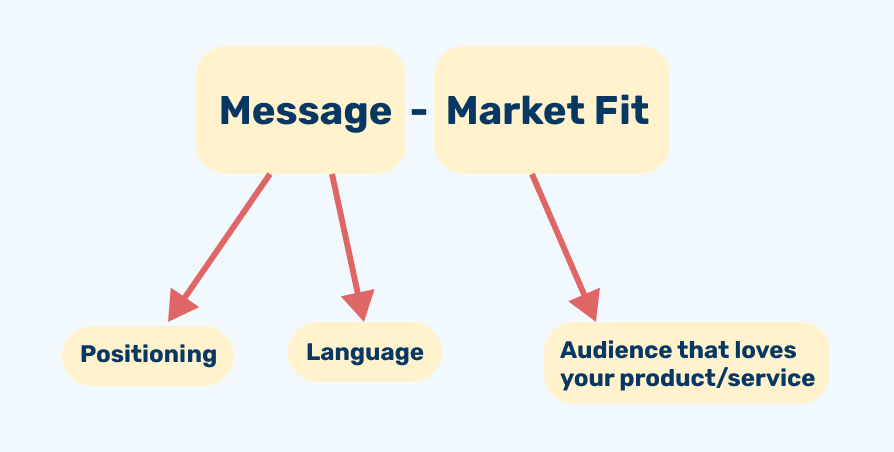
I would add to that that Message-Market Fit is also more critical than ever.
You can’t skip over the value proposition to stand out and just say, “We serve all men over 40 looking to get fitter”.
You need to get specific in terms of your target audience and find the language that resonates:
You also need to be more conscious of the challenges of getting funding:
“I recently heard someone say that scale before profit as a strategy became extinct in 2015; I am not sure if that timing is right, but it's most definitely the case today.
This means founders need to understand they must focus on controlling their margins, marketing spend, and overheads from the start. Make your mistakes early, and never bet the farm.” - Mike Stevens
With this, don’t get caught up just on superficial revenue and profit numbers; the Female Foundry newsletter, in its 132nd edition talks about it as follows.
“High-quality revenue has three main characteristics: predictability, profitability and diversity.” - Agata Leliwa Nowicka
So, a sizeable group of quality customers stick around and continue to spend more. It feels like this is one of the reasons subscription-based businesses are growing in popularity.
This in itself also makes the channels more manageable.
You work out how to stand out, experiment, and ensure you can use your revenue to reinvest in new customers. I’m not saying it’s easy at all.
I think that is why Mike comes back to the drive behind it all for a founder and their underlying approach:
“What remains a universal truth is: a good product and a well-run business reward both the startup and its customers. So, find your passion, find your problem, and make your tribe glad you were brave enough to try.
The best founders also have the humility to admit their mistakes and use the lessons learnt to change course. Too many founders become entrenched in their original big idea and refuse to adapt even when the data tells them they are wrong.“ - Mike Stevens
—
Recommendation
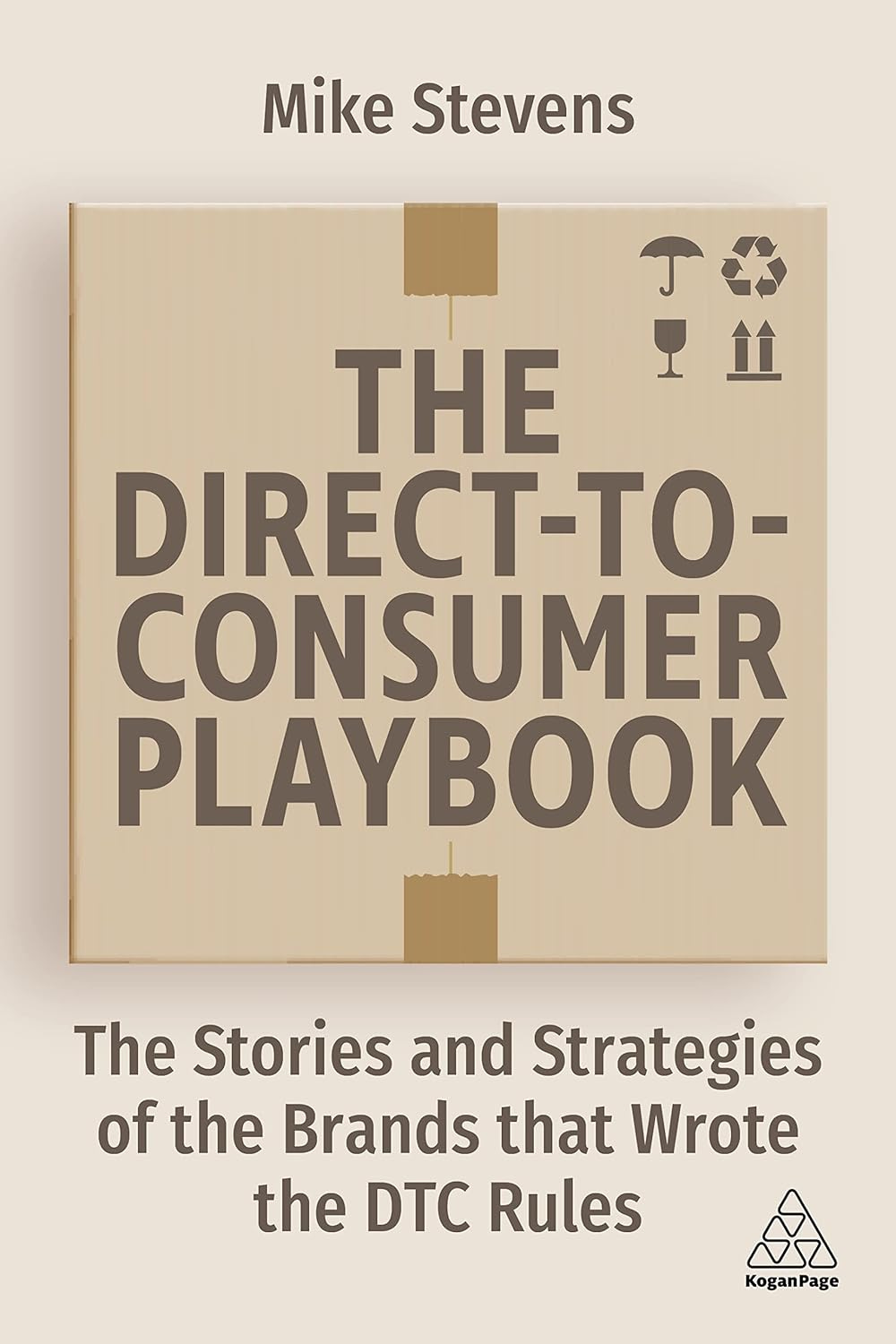
Today’s recommendation could be none other than Mike Stevens’ book, the Direct-to-Consumer Playbook. In September and October, I had two trips to the Nordics for speaking engagements and binge-read the book during the flights.
If you’ve enjoyed today’s topic, check out Chapter 9 on the story of Lick and Clearing and how they navigated launching in the 2020s.
The other chapters are filled with exciting case studies and the learnings from various DTC startups, from Bloom & Wild to Graze to Who Gives a Crap. Definitely get yourself a copy.
—
2025 is a challenging year to start a startup, but it also presents a great opportunity when you start with the right intentions, focus on a strong product, and find a message-market fit.
I’m excited to work with a new wellness D2C startup on their launch this coming year, keeping all these mountains and molehills in mind.
Till next time,
Daphne