


Hi there,
Recently, I attended Business of Apps, and my favourite talk was the opening one by Ben Lebus, founder of Mob.
Mob is a food and meal-planning app designed to make cooking simple, high-protein, and organised, with features like pre-built meal plans, a smart shopping list, and curated recipes.
I’ve been using Mob for about six months, so I’ve been following their growth journey and experiencing their optimisations and tests firsthand (while cooking many a very good recipe).
What I love about Mob’s story is that it isn’t about a secret hack or trick, but about fixing many of the common mistakes startups make. I also appreciate Ben’s openness in sharing his challenges and mistakes along the way.
He’s kindly let me share the story with you that he presented so you can see how Mob did it.
Lesson 1: Distraction is death
Mob started in 2016 as a platform sharing delicious recipes that feed four for under £10, a clear and simple proposition.
As they grew, so did the opportunities, and with it every founder’s hardest challenge: resisting shiny object syndrome.
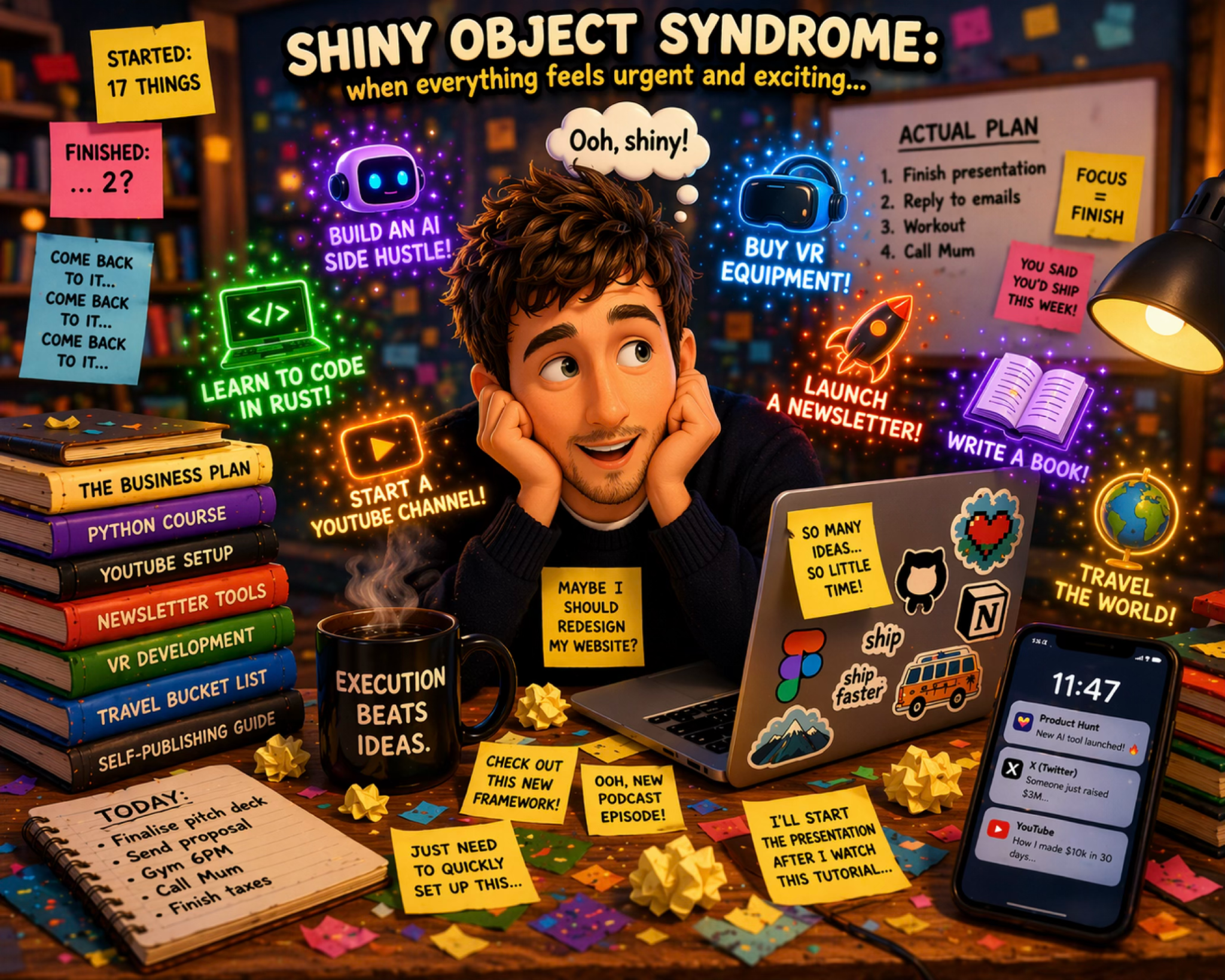
There were so many opportunities—from their books, to a food truck, to spice mixes, to an influencer-led app, Peckish—but none of them scaled.
So they stopped almost all of it. And in March 2023, Mob launched Mob Premium, which at the start was just 50 recipes behind a paywall.
In Ben Lebus’s words: “Cutting everything else allowed us to go all in.”
Startups rarely lack ideas or opportunities, but the ones that win get ruthless about focusing on just a few areas.
Related resources:


Lesson 2: Actually speak with your users
Yes, the same lesson I drone on about all the time.
Mob realised they were a vitamin product: nice to have, but not solving a clear pain point. In trying to cater to everyone, they ended up with no real edge.

So they started speaking to users weekly and found a clear JTBD:
“How do I feed myself, my partner, my family when I’m tired and stressed, but I want something tasty and healthy on the table without much effort?”
They focused on solving that. Growth picked up. They started scaling internationally for the first time.
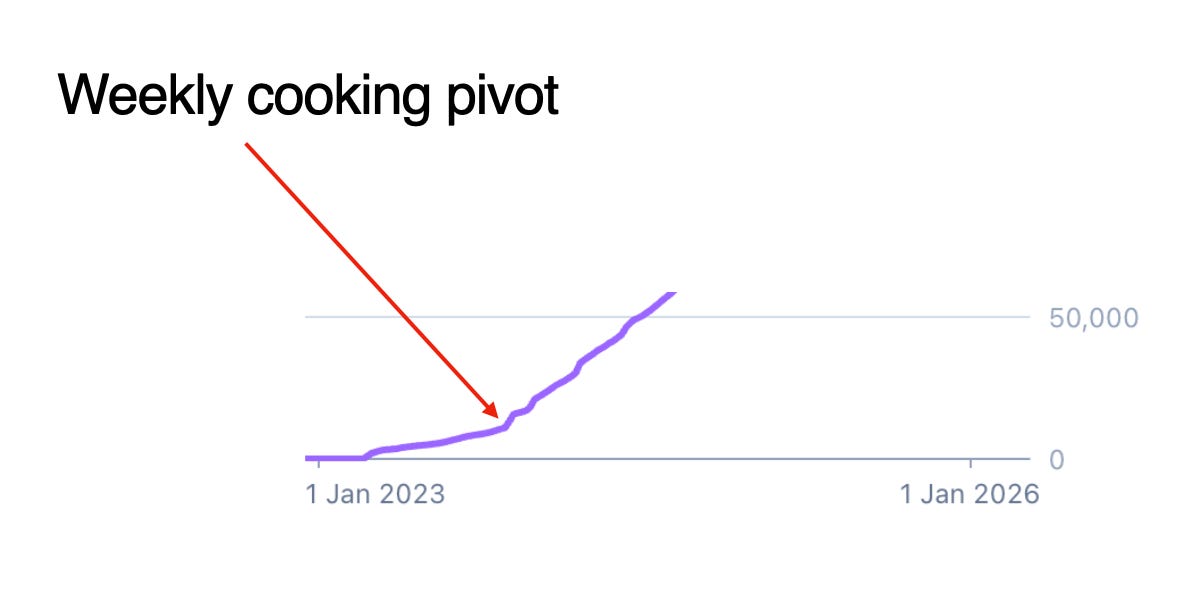
And focused in on solving that. It initially showed a shift, but it was still too broad.
Come 2025, they were growing, but the rate was steady rather than exponential. They needed to find a deeper product-market fit, so this time they zoomed in on what was truly their JTBD:
When weekday meals keep coming
I want a reliable, low-effort way to choose what to cook, and cook what I’ve chosen
So I can eat well, without stress
What this meant in practice: inspiration was key. Mob’s superpower was inspiring through content and community. So when a user opened the app, they needed to see recipes that would excite them, and trust that those recipes would actually be good, based on other people’s reactions.
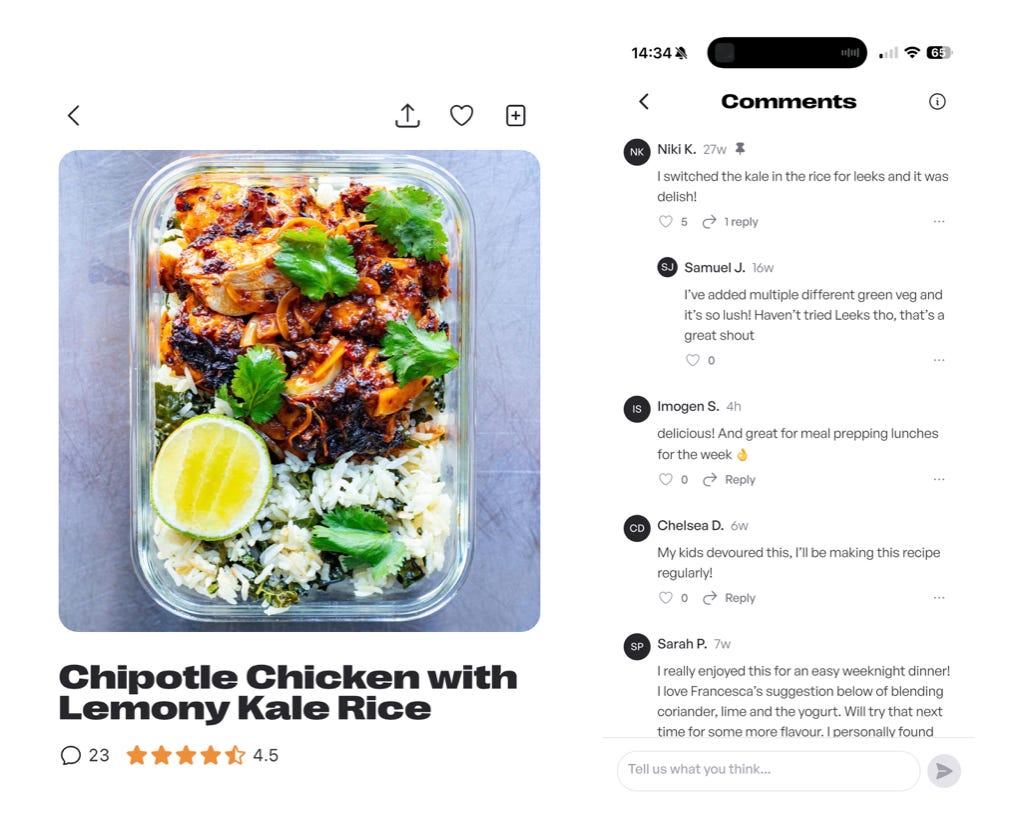
This helped them improve not only their messaging but also their product roadmap. Growth picked up. They started scaling internationally for the first time.
For the final two lessons, you’ll have to wait for Part 2 next week. Stay tuned!
Related resources:


Recommendation
I’ve shared related newsletters alongside these first two lessons, so I thought I’d do something different here instead.
If you want to follow Mob’s journey in real time, Ben Lebus shares their wins and challenges very candidly on LinkedIn. Worth a follow ahead of next week’s lessons.
Till next week for Part 2,
Daphne