


Hi there,
I’m fortunate enough to have reached a position where I get to be selective in the brand I work with. I always prioritize sustainable brands, as this is a topic close to my heart.
But it’s not always easy to weed out sustainable brands from those greenwashing customers.
What is greenwashing?
This fun little term refers to a method of satisfying our guilty conscience about climate change, without sacrificing profit and making genuine changes.
It’s a focus on improving your image and ticking a box, rather than committing to sustainability.
A great example of this is when fast fashion brands have a second-hand marketplace on their site. It lets them promote themselves as being climate conscious without actually sacrificing anything, only using sustainability as a form of marketing.
Unfortunately, this is something I see brands doing a lot - treating sustainability as a marketing strategy rather than a genuine commitment.
So how can you actually be sustainable in today’s climate? How can you avoid greenwashing and still promote yourself as a climate-conscious brand? Let’s dive in.
1. Accessible Sustainability Reports
You cannot commit to sustainability without offering complete transparency.
Consumers are starting to be more critical of brands. This is difficult but better for brands that can fulfill their promises.
Your sustainability reports need to be accessible to build trust and credibility with your customers. Allow them to make an informed decision and then choose you.
In this report, you can include your carbon footprint, water usage, waste management, energy sources and sourcing practices.
You can find a great example in Patagonia’s Footprint Chronicles.
2. Third-Party Verification
Having external validation will enhance your credibility with future customers.
Consider using B Corp, Fair Trade or the Rainforest Alliance. These are names that provide instant trust and recognition, demonstrating a commitment beyond self-reporting.
But keep in mind that these organisations aren’t perfect themselves.
Some argue that B Corp is a greenwashed certificate:
It has a lack of transparency, as it doesn’t publish data from its impact assessments, and there is no requirement for a company to report its environmental and social impact.
It doesn’t require an annual report detailing the company's performance and results.
It all boils down to motive. Pursue such certification because you care, not as a trophy to win and display. You need to continue putting in the work after you’re approved.
3. Life Cycle Assessments
Providing information on life cycle assessments is a great way to disclose the environmental impact of your products.
It enables a comprehensive understanding of the ecological footprint involved, which also allows you to identify areas for improvement in your supply chain.
Do consider the best way to communicate this to your audience. Impossible Foods does this extremely well.
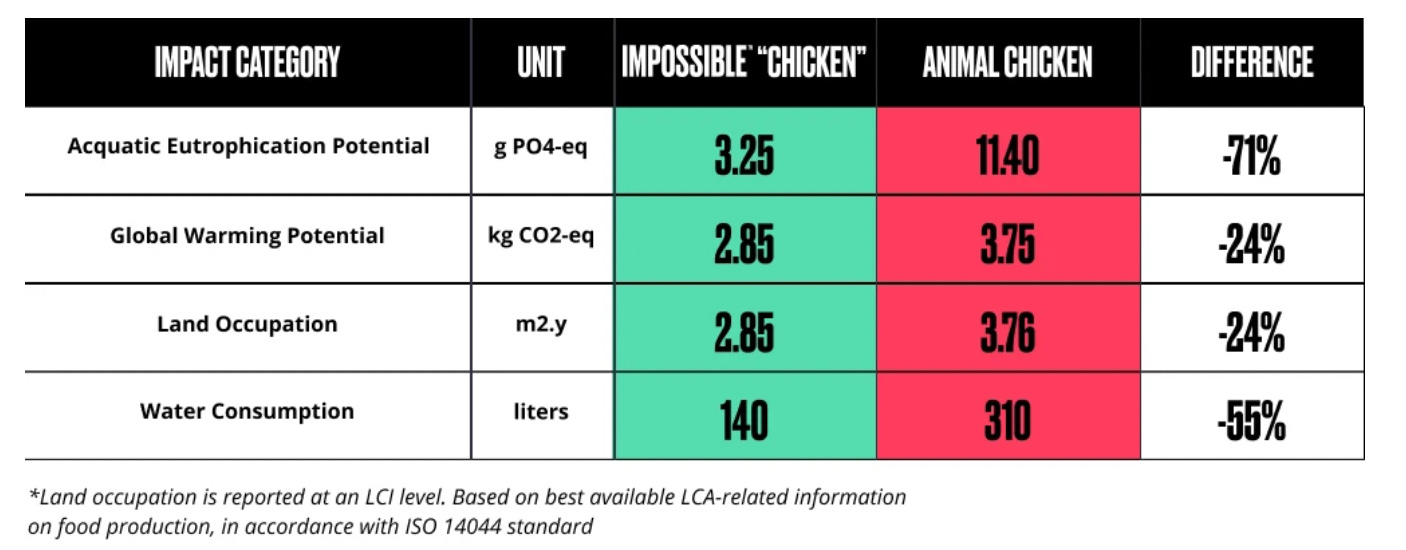
Taken from Impossible Foods’ Life Cycle Analysis
4. Sustainability Goals and Progress
Clearly communicate your sustainability goals and progress, not just to customers, but to your stakeholders as well.
Keep them informed of your initiatives to enhance your transparency and accountability.
But to do this well, you need to honestly communicate where you need to improve.
One of the biggest hurdles for a DTC startup in achieving sustainability is limited funds.
5. You’re Never Done
Sustainability isn’t an endpoint; it’s a commitment to continue improving yourself.
Consistently gather insights to fuel growth, such as conducting user interviews and stakeholder interviews. Engage with transparency platforms and charities to discover how you can improve.
This will also allow you to obtain feedback from diverse perspectives.
Recommendation
I had a great time chatting with Yoann Pavy and Jake Mayell of the ‘In Growth We Trust’ podcast. We discussed a lot, including growth mindsets, structured growth processes, and challenges in the industry. The topic even veered into ADHD in a true ADHD manner.
But later in the episode, we discuss greenwashing in brands and how to avoid this.
I hope you enjoy listening as much as I enjoyed making this episode!
—
Sustainability, both as a brand and consumer, boils down to commitment. It is constantly deciding to choose the green foot forward.
Greenwashing is an attempt at shortcutting that commitment, and it never pays off.
Now, I gravitate towards sustainable brands in my personal life as well. For example, I use Bower Collective for refillable cleaning products. They’re eco-friendly and reduce the need for plastic, plus they smell great!
Even my go-to superfood meal shake, Whole Supp, uses sustainable packaging and prioritises waste reduction in sourcing ingredients.
Let’s see how we can introduce some sustainable steps forward for your brand,
Daphne