


Hi there,
When teams ask me about freemium, they usually jump straight to the same question: what should we offer for free vs paid?
It’s the wrong first question.
Before you map individual features to tiers, you need to decide something more fundamental: how does your free tier relate to your paid tier?
Get this wrong, and you end up with a free experience that feels either too stingy (users never get enough value to care) or too generous (they never need to upgrade).
Get it right, and the feature mapping becomes obvious.
There are three broad architectures. Each suits a different type of product.
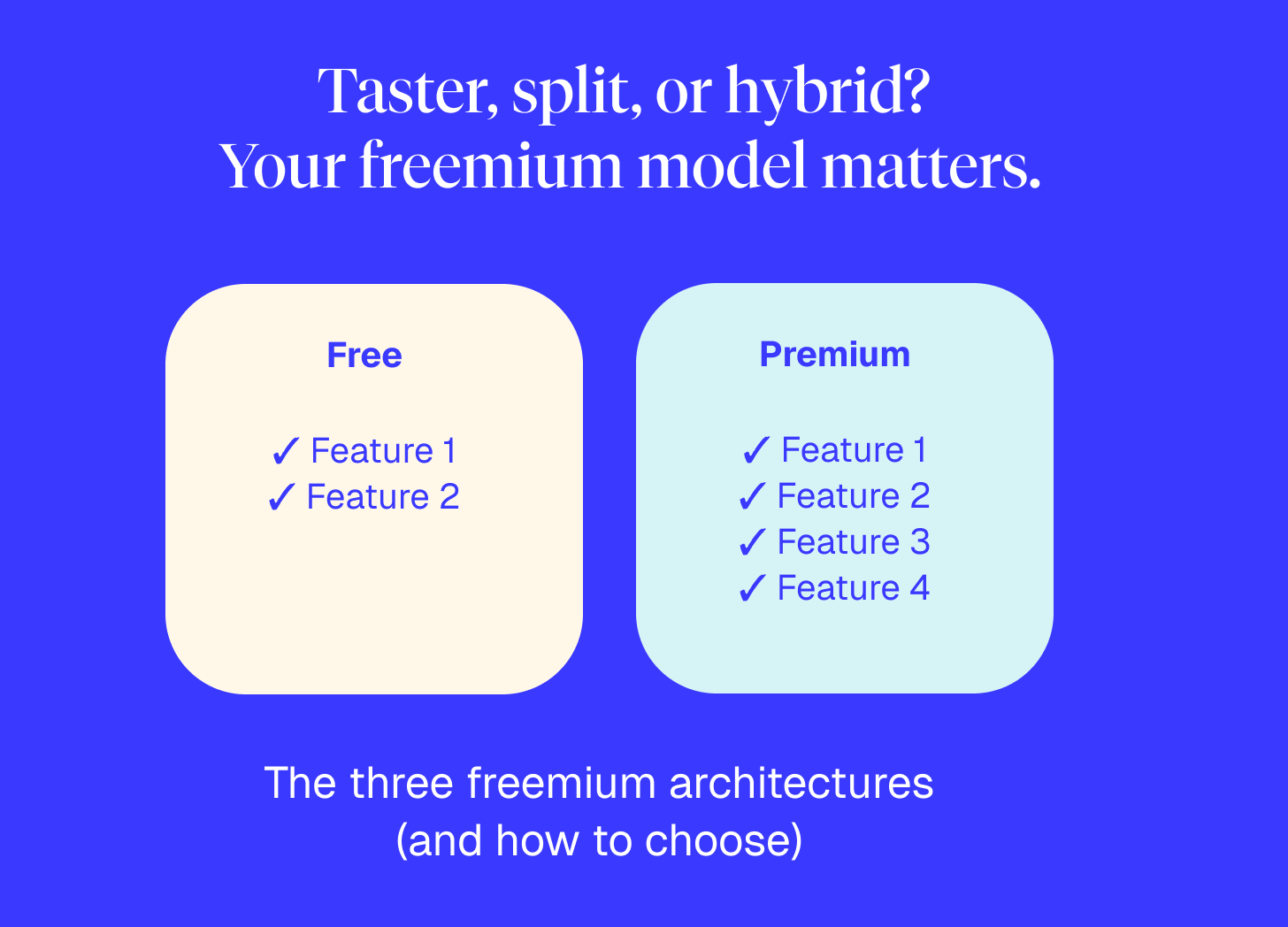
1. The taster model: same product, with limits
Here, users get the full product experience up to a certain point.
The free version doesn’t feel stripped down — it feels complete enough to use and get real value. The upgrade trigger comes from usage growth, not from missing features.
Loom is a great example. I used it free for about a year, maxing out at 5-minute recordings and 25 saved videos. I didn’t use it often, so I’d occasionally delete older videos to make room.
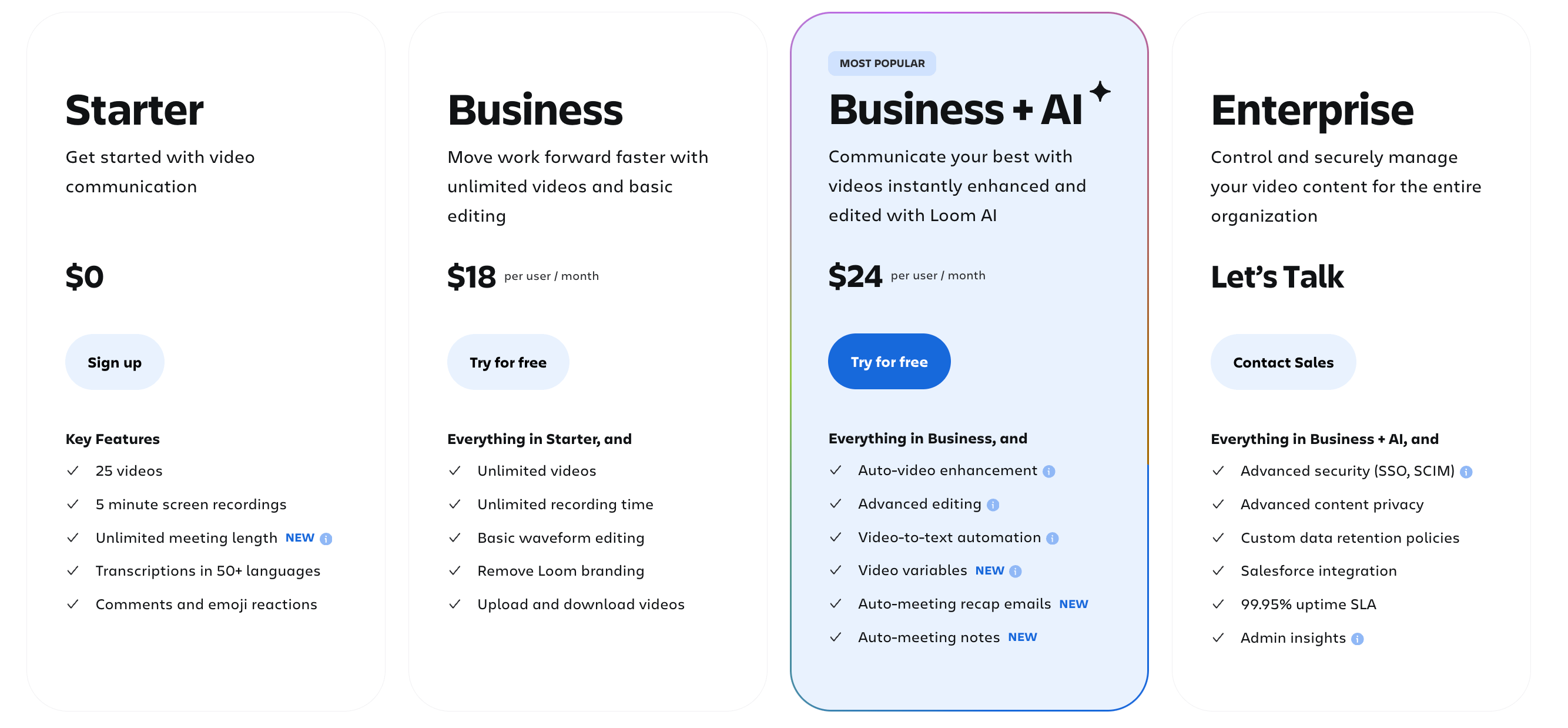
Over time, I started seeing the value — and I reached a point where five minutes felt frustrating, and sending four separate videos to a client didn’t exactly scream professional. I upgraded and have been a loyal customer for years.
Zoom works the same way (40-minute limit on free calls), as does Notion (same editor, but with block limits).
This works when:
Your product’s value increases with usage volume → more storage, longer recordings, more messages
Your core value is what drives word of mouth, so free users need to experience the real thing
There’s a natural inflection point where casual use becomes serious use
The risk: set limits too high, and users never hit them.
Set the limits too low and the free tier feels like a trial with extra steps.
2. The split model: different features for different jobs
Here, free and paid users get distinctly different capabilities. Premium isn’t “more of the same” — it’s a different set of tools for a different use case.
CapCut does this well. Basic video editing is free, but as I edited and wanted fancier subtitles and better tools, those were clearly premium features. I could edit without them, but for business use where I wanted polish, paid made sense.
Surfline, the surfing app, works similarly.
Casual surfers only need a basic forecast — the free app handles that fine. Serious surf fanatics want extended forecasts, wave timelines, and detailed swell data. As a casual surfer myself, I just want to know whether I can surf (and hope to be able to stand up).
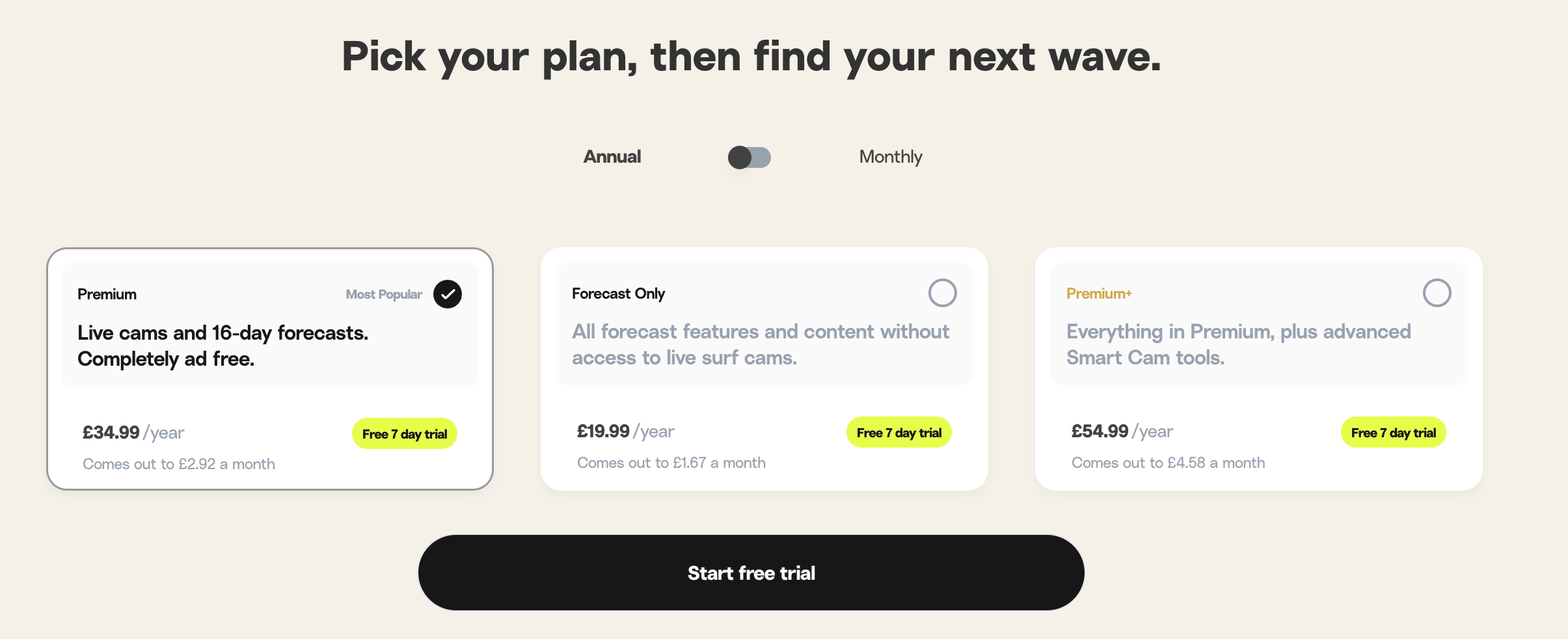
But as those casual users fall in love with surfing, they may become paid users later.
This works when:
You serve distinct user segments with different needs — casual vs power user, personal vs professional
Paid features have a meaningfully higher value that justifies a separate tier
Free features are strong enough to stand alone, not just a teaser for what’s locked
The risk: if the split feels artificial — if users constantly bump into locked features during their normal workflow — it creates frustration.
Locked features should feel like a different destination, not a roadblock on the same path.
3. The hybrid model: taster limits + split features
Many of the best freemium apps combine both approaches.
Some features are available to everyone with usage limits, while others are exclusively premium.
This gives you two types of upgrade triggers: “I need more of what I already use” and “I want access to something new.”
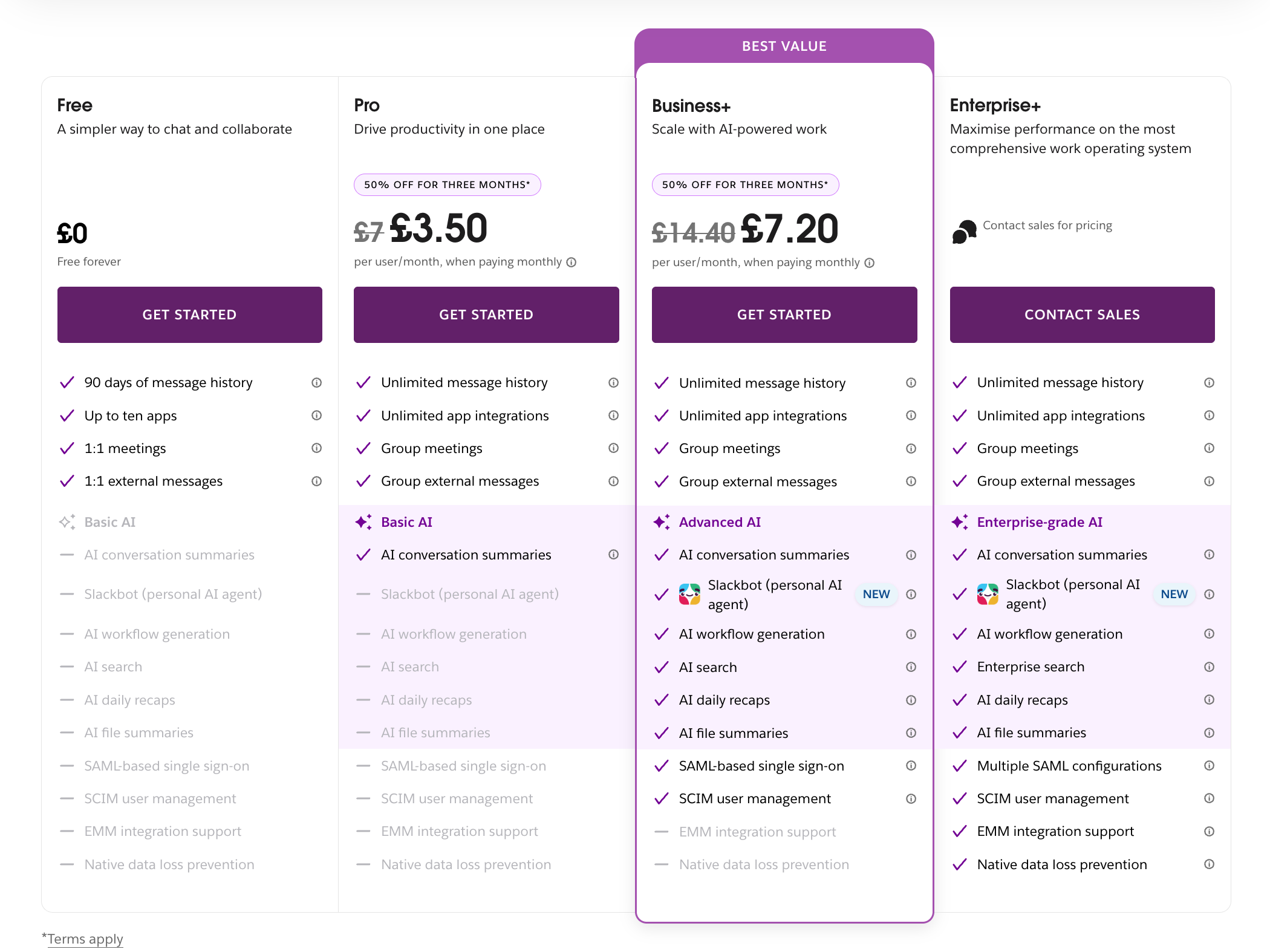
Slack does this. You get the full workspace experience, but message history is limited to 90 days and you’re capped on integrations (taster). Yet Slack Connect — cross-organisation channels — is fully premium, because it’s a business feature that signals a team should be paying (split).
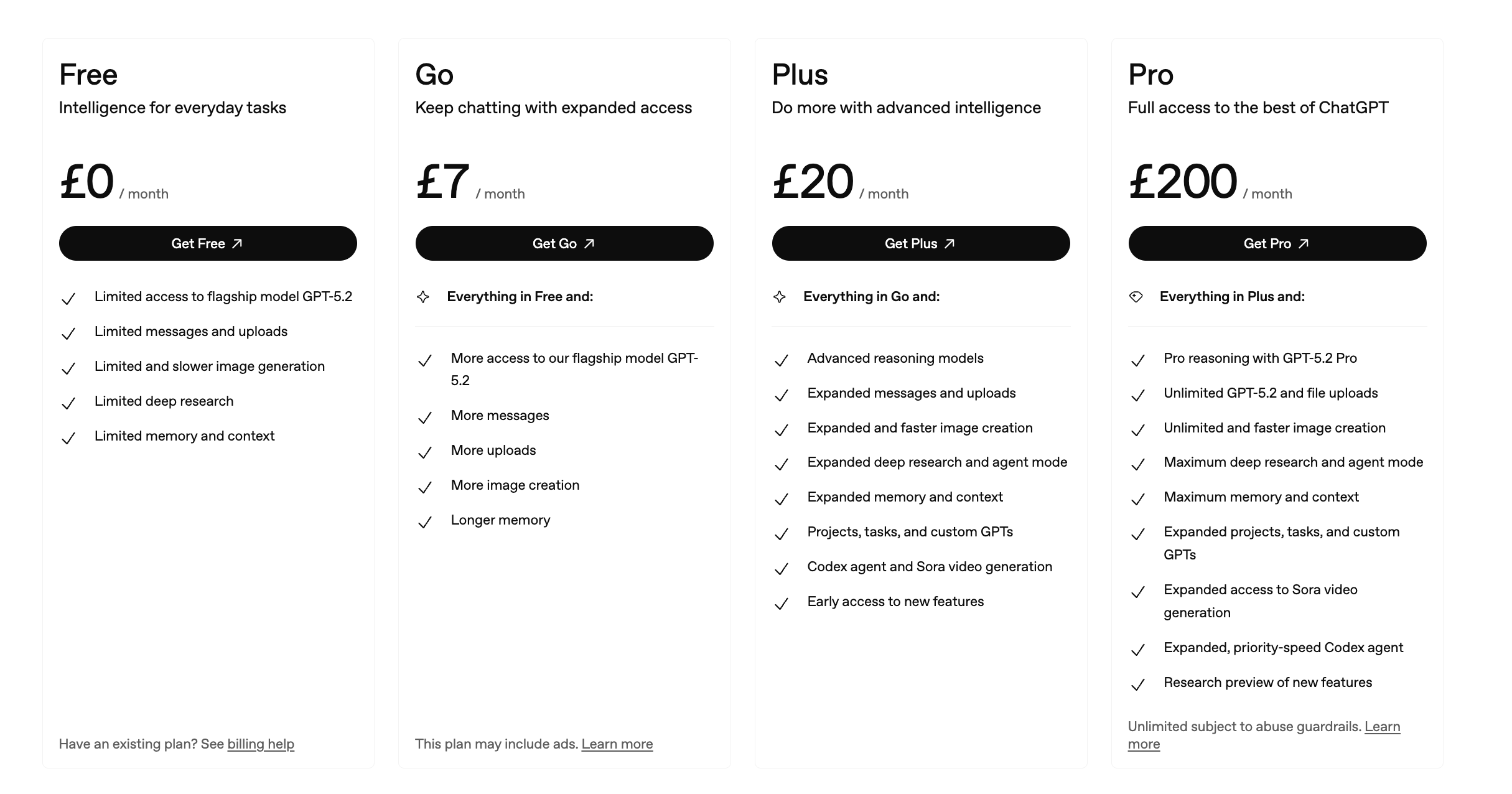
ChatGPT works similarly. Free users get capable models with usage limits (taster), while advanced reasoning tools and higher-volume image generation are premium-only (split).
Duolingo too: free users get all lessons with ads and limited “hearts” (taster), while unlimited practice and offline access are premium-only (split).
This works when:
You have both a broad casual audience and a smaller power-user segment
Some features scale with usage while others are binary — you either need them or you don’t
You want multiple upgrade triggers at different points in the journey
How to choose
If you’re unsure, these questions help:
Does your product’s value increase with usage volume? More messages, more storage, more recordings? Lean toward the taster model. Set limits where casual use flips into serious use.
Does your product serve clearly different user types? Hobby vs professional, individual vs team? Lean toward the split model. Gate features by segment, not usage.
Is your user base broad, with a wide spectrum of needs? Lean toward the hybrid model. Use taster limits for the core experience and split features for power tools.
And remember: your architecture can change over time. It’s much easier to tighten a generous free tier than to loosen a restrictive one.
Recommendation
This newsletter is adapted from a longer piece I wrote for RevenueCat on freemium strategy.
If you’re actively working on your freemium model, it covers the full process: deciding if freemium is right for you, defining your goals, mapping features to tiers, and creating a “Bill of Rights” for your free users (a concept I love from Life360).
The feature mapping matters, but the architecture shapes everything.
Daphne