


Hi there,
Costs have gone up over the last years, especially for physical goods. Yet, many startups are charging the same as they were a few years ago. What’s the result of this? Smaller margins to work with—yikes.
Price increases feel like a scary, impossible thing. You imagine an inbox full of complaints and a daunting churn rate. But this doesn’t have to be the case. If you have very strong retention, you might actually be undercharging.
But strategy and communication are key, so this is your quick guide. Want the long version? I wrote an article on the subject for RevenueCat called ‘How to Communicate Pricing Changes Without Losing All Your Customers.’ It’s focused on subscription apps, but many of the learnings will apply to all brands.

Your checklist
1. Is it the right time to increase your prices?
You’ve got to consider the context around your price change. A foundational requirement is that you have strong retention, demonstrated by:
Are your retention metrics strong?
Are you post-product-market-fit?
If they aren’t, you might see an initial positive increase in revenue, but retention will drop over time and may do more harm than good. Price increases to salvage the low profitability from bad retention are rarely successful.
You also want to consider other ways to increase revenue and profitability, e.g., adding higher-margin products, bundling, etc.
2. What is the value your subscribers get from the price increase?
Increase prices with a sob story about inflation? This won’t go down well. You want to focus on your customers, the value they are getting, and what this extra amount will ensure, e.g. you won’t need to compromise on the product's effectiveness.
You can also use this not just as a reason for the price change for existing customers and to show you listen to their needs but to attract new customers.
Tractive, a dog tracker with a physical product and app subscription, did this well. Earlier this year, they launched Version 6 of their product, Tractive DOG 6, which included the following changes to the physical product and app:
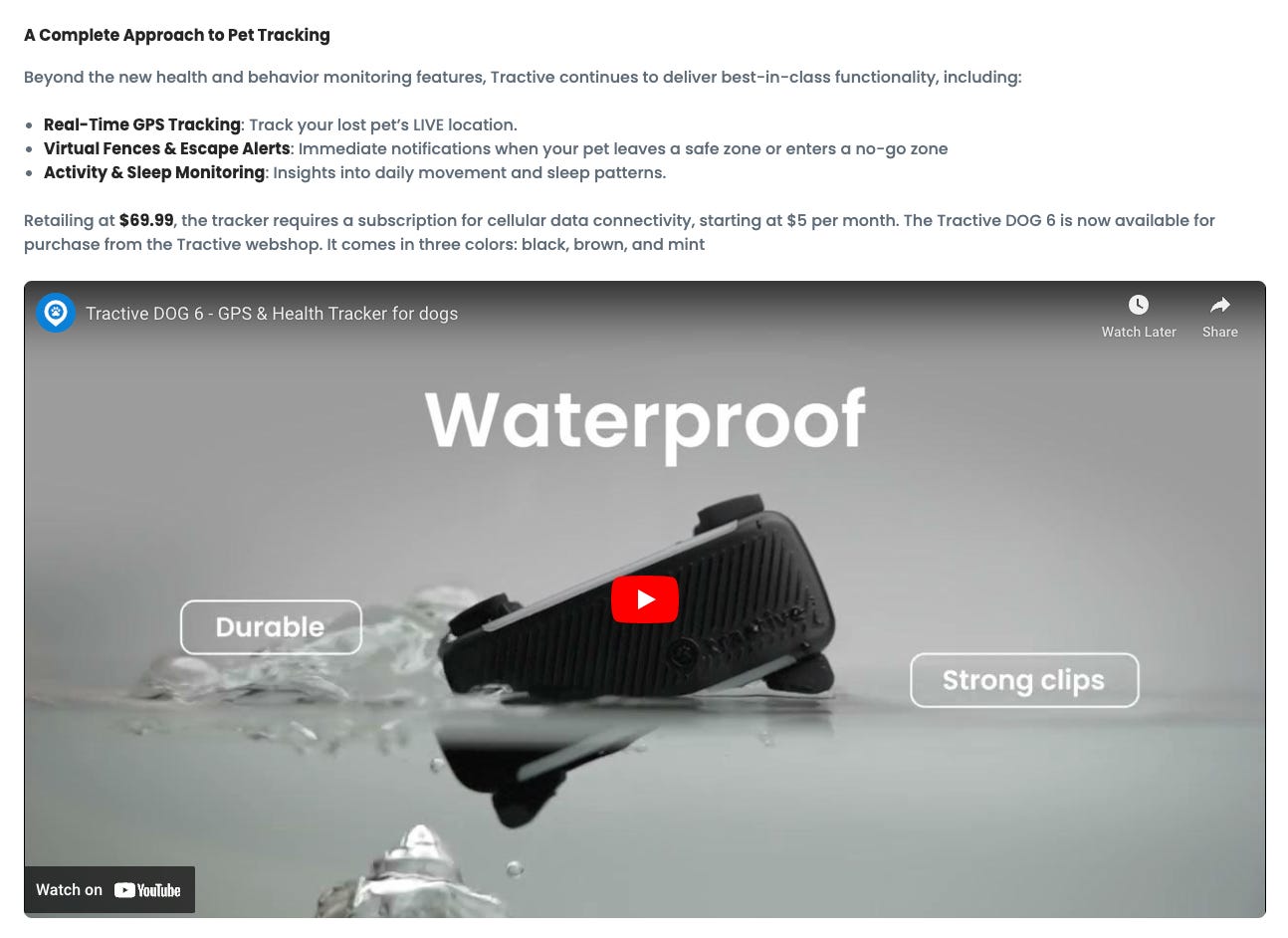
I hadn’t used them before, but I realized this was a sneaky price increase as their previous product (just named the Tractive Dog GPS Tracker) was cheaper.
As a dog owner, I didn’t care that it cost more than I expected it would. Just the evening before, my partner had lost our dog for 30 minutes in the forest right before sunset, so the panic was still fresh. I was happy to hand over my money. The extras simply made it even more worthwhile.
Don’t worry, our dog was found a mere 30 meters away from the original spot. He had jumped over some brambles and trapped himself, so he waited silently to be rescued by my panicked partner.
3. Will you increase for only new subscribers or existing ones as well?
This is another important consideration. I’m a huge fan of spoiling your existing subscriber base, but listening to Reid’s Sub Club podcast interview raised (pun intended) an important point:
You are leaving a lot of money on the table if you don’t increase it for existing subscribers, especially as they are the ones most likely to accept the change.
I do believe it’s worth considering how you reward those existing subscribers over new ones, and ways to do this are:
Delay their increase
Offer them an annual subscription at the old price if they upgrade now
Give them extra warning
Give them something extra as a thank you for their loyalty
4. How much will your price increase?
Obviously, bigger increases come with more risk, and there’s no way around that. But if you are underpriced and retention is strong, I believe you’re better off going for slightly more significant, less frequent increases.
Otherwise, your subscribers will feel like you are endlessly increasing your prices—the same way I feel about all my streaming subscriptions.
How much you can get away with it depends on the situation, determined by the following factors:
Your initial price
The strength of your retention
If you are adding anything now or in the future to justify the increase
How price elastic your customers are
That last point is often the hardest to understand. You might indicate if you’ve run discounts before. High price elasticity means customers are very price sensitive in which case discounts are very effective, but price increases are trickier. So, if you’ve seen discounts work very well, it may be harder to increase prices.
If you can, additional pricing research can give an indication of price elasticity, e.g., using the Gabor-Granger pricing model. This tests a range of price points by asking users if they would purchase at each level to determine demand elasticity and the optimal price.

Recommendation
Now, if you are confident it’s the right move, here are some further resources:
The full version of this article on RevenueCat, which also includes messaging tips and a price increase email template
Rosie Hoggmascall has a great article on how to do price increase emails
While they are SaaS brands, the Userlist breakdown of 15+ price increase emails is also super insightful
Price increases can feel daunting, but can be a powerful lever for growth and sustainability when approached strategically.
The key is ensuring that your product delivers strong value, your timing aligns with retention strength, and your communication is clear and transparent.
Yes, some customers will churn, but the right ones will stay. Instead of fearing a backlash, focus on preparing a strong strategy instead.
With thoughtful execution, a price increase will not only improve profitability and overall revenue but can also be an opportunity to build trust that you communicate transparently and are also focused on improving the customer experience.
Until next week,
Daphne
P.S. I also just did a podcast episode with RevenueCat on “Boost Conversion and Retention with Jobs to Be Done” definitely check it out if you want to learn about how to improve performance through JTBD.

GRIND coffee did this really well recently, explaining why they are raising the price (the rising global price of Arabica coffee beans due to weather conditions) and how I as a consumer are contributing to a more sustainable economy by continuing my subscription despite the higher price. They also shared that the price change was immediate for new subscribers, but as a continued subscriber I would have the lower price for another month! Made me happy to continue subscribed to them :)